How Much Do Piano Movers Cost? What Drives the Price
Published by Professional Moving Solutions
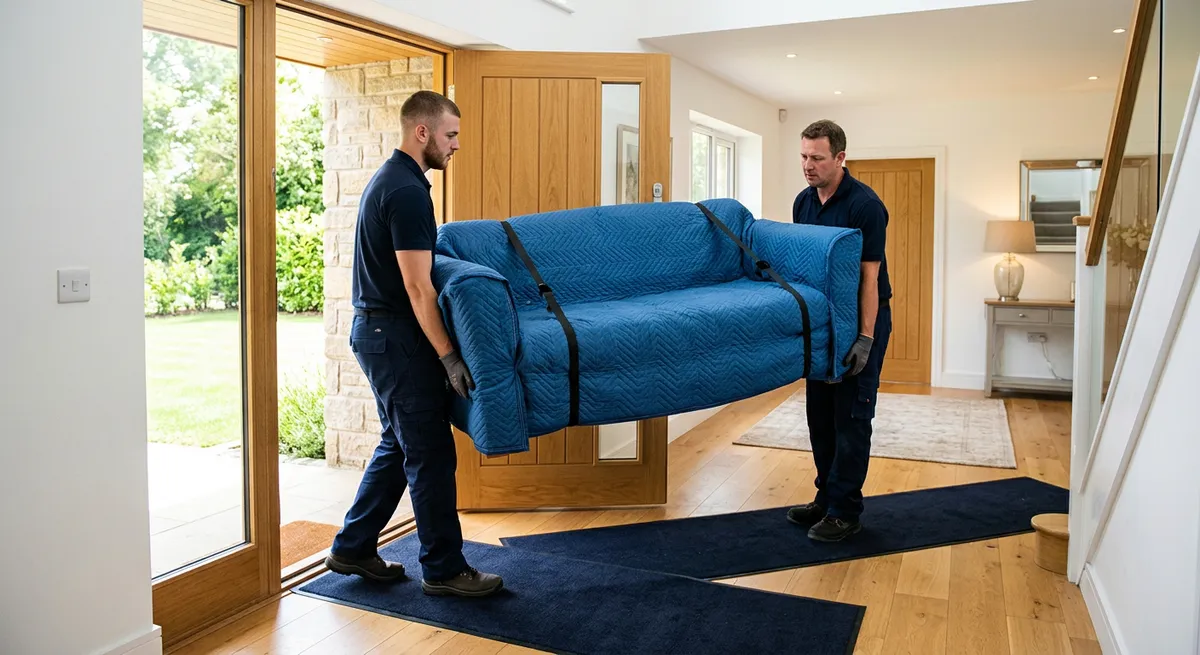
If you are asking how much do piano movers cost, you are really asking what goes into the price. A piano is heavy, awkward and valuable, and the cost of moving one depends on a handful of factors you can see before you call. This guide explains what those factors are, how they change the quote and how to prepare so the move goes smoothly.
We do not publish a flat price, because a fair piano movers cost depends on your piano and your stairs. What we can do is show you what to expect and what to ask. When you are ready, our piano moving page covers how our crews work, or you can use the quote form to send photos and addresses.
The short answer: what drives the price
Professional piano movers price a job by the work involved, not just the mileage. The main drivers are the type and weight of the piano, the stairs and access at the pickup and delivery addresses, the distance between them, the protection the piano needs and the date and time you want. Each one adds or removes labor, equipment or risk.
Upright, grand or digital: why the type matters
Upright pianos
An upright is tall and front-heavy, and it is moved standing on its back with the keyboard lid secured. It can weigh several hundred pounds and has no way to be taken apart. Two trained people with the right dolly can move one safely, but a flight of stairs or a tight turn makes it a bigger job.
Grand and baby grand pianos
A grand piano is moved on its side on a skid board, with the legs and pedal lyre removed first. It takes more time, more hands and more equipment, and the instrument is long enough that doorways, corners and stairwells decide whether it fits. Larger grands usually mean a bigger crew, which shows up in the price.
Digital pianos and keyboards
Digital pianos are lighter and usually the least expensive to move, but they are not low risk. The cabinet finish, the stand and the pedal unit can all be scratched or cracked, so they still need padding and careful handling.
Stairs, distance and access
Stairs are the most common reason a piano quote goes up. A piano that is on the ground floor with a clear path is a simple job. One in a basement, on a second floor or at the end of a long walkway takes more people and more time. Tell your mover:
- How many steps there are at each address, and whether there are turns, landings or narrow sections.
- Whether there is an elevator, and how large it is.
- The width of doorways and hallways the piano must pass through.
- Whether the truck can park close to the door, or the crew has to carry the piano a long way.
- Any gates, ramps, tight driveways or street parking limits.
Distance matters too. A short move across town and a long haul to another state are priced differently, because the time on the road, the fuel and the schedule are different.
Blanket wrap, skid boards and crating
Most piano moves use blanket wrap. Moving blankets cover the instrument, straps hold them in place and the piano rides secured on the truck. Grands also travel on skid boards, which keep them stable and let the crew slide them rather than lift them. For a local move, this is usually all a piano needs.
Crating is a different level of protection. A crate is built or fitted around the piano, which adds material and labor but protects it from pressure and impact on a long trip or in storage. Ask whether crating is needed for your route and your piano. If the piano is valuable or irreplaceable, a crate may be worth discussing, and your quote should say clearly which method is included.
Insurance and coverage
A piano is hard to replace, so ask about coverage before you book. Questions worth asking: What does the mover's coverage include? Is the piano covered while it is on the truck and while it is carried? Is there a limit per item? Can the terms be given to you in writing? Also check your own homeowner's or renter's policy, because some policies cover specialty items and some do not. Never assume, and always get the answers in writing.
How to prepare for the move
- Take photos of the piano and of the path it will travel at both addresses, including stairs, doorways and any tight spots.
- Measure the piano and the narrowest doorway or hallway on the route.
- Note the make, model and approximate size, especially for a grand piano.
- Clear the path of rugs, furniture, plants and anything fragile.
- Remove loose items from the top of the piano and make sure the lid is closed.
- Tell the mover about parking, elevators and any building rules or booking windows.
- Plan to have the piano tuned by a technician a few weeks after the move.
Why professional piano movers are worth it
A piano is easy to damage and easy to get hurt moving, and stairs turn a small mistake into a big one. A trained crew has the straps, skid boards and dollies to do it safely. Our crews arrive in pairs, are background-checked and work with an on-site supervisor. If you need the piano to wait between homes, we can store it at our commercial warehouse in Richmond, VA.
Piano movers near me
Searching for piano movers near me usually means you want a crew that knows your area and can come when you need them. We serve Richmond, Hampton Roads, Washington DC, Baltimore, central New Jersey, Houston and destinations nationwide through our partner network. See the full list on our service areas page.
For other heavy, high-value items, see our white glove delivery and last mile delivery services.
Frequently asked questions
See more deliveries like this on our Facebook page (opens in a new tab)
How much do piano movers cost?
There is no single number, because every piano move is different. The price depends on the type and weight of the piano, the stairs and access at both addresses, the distance, any crating or special equipment, and the date. Send photos and details and you will get a quote that reflects your move.
Why does a grand piano cost more to move than an upright?
A grand is moved on its side on a skid board after the legs and pedal lyre come off, which takes more time, more people and more equipment. It is also longer and harder to turn through doorways and around corners.
Are stairs a big part of the price?
They can be. Every flight adds time, effort and risk, and a piano on a staircase needs extra hands. Tell the mover how many steps there are and whether there are turns or landings.
Should I tune my piano after a move?
Many owners have a technician tune the piano a few weeks after a move, once it has settled into its new room. A mover does not tune pianos, so book that separately.
Can you move a digital piano?
Yes. Digital pianos and keyboards are lighter, but the cabinet, stand and pedals are easy to damage. We pad and secure them like any other fine furniture.