How to Move Demo Equipment for Sales Teams Without Damage
Published by Professional Moving Solutions
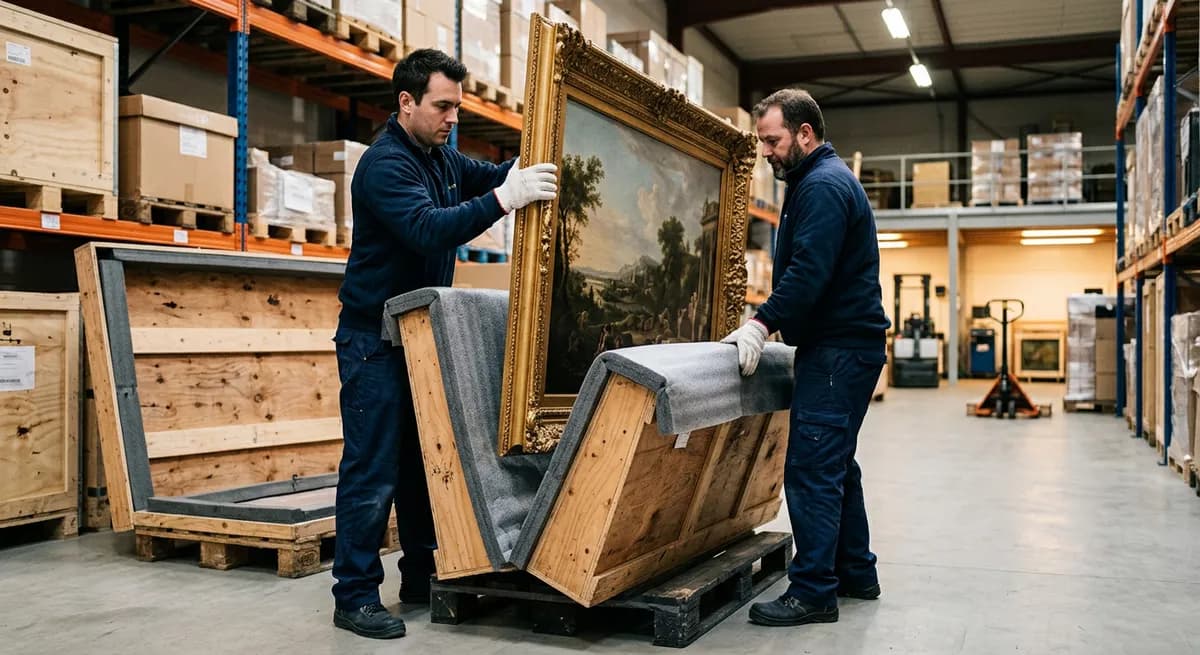
Demo equipment is the one piece of inventory that is meant to travel. It goes to a customer, gets switched on, gets looked at, and then goes somewhere else. Done well, a demo program sells a lot of equipment. Done badly, it ends with scuffed cabinets, bent panels and a customer who remembers the damage rather than the product.
This guide is for sales teams, equipment manufacturers and dealers who move demo units on a schedule. It covers how to pack, schedule, deliver, track and return demo equipment so it arrives looking like something worth buying. For a quote, call 866-216-7742 or use the quote form.
Why demo equipment gets damaged
Demo units are damaged for the same few reasons again and again. They are handled by too many people. They travel in packaging designed for a single trip from the factory, not for twenty trips between customers. They sit in a hallway at the customer site because nobody planned where they would go. And nobody photographs them before and after, so every damage claim turns into an argument.
Most of that is preventable with a repeatable process. The rest of this guide is that process.
Step 1: Choose the right packaging for the unit
The best packaging is the packaging that is used every time. A damaged factory carton that has been taped back together four times is not protection.
- Fitted crates or road cases suit delicate, heavy or sensitive instruments. They are built once and reused on every move.
- Blanket wrap suits rugged cabinets, furniture-style equipment and items that are awkward to crate. The blankets are reused, and the crew removes them at delivery with no debris left behind.
- Palletized loads suit items that are bolted to a base and need to be moved with a lift.
We do all three. Our page on blanket wrap shipping explains when padding is the right call, and the demo equipment logistics page covers how we support programs that ship units on a schedule.
Step 2: Document every unit
Before a unit leaves, photograph it from every side, including the panels, corners, screens and any existing marks. Do the same when it comes back. A shared folder per unit, with dated photos, ends most disputes in a minute.
- Give every unit a tag or serial number that appears in the photos.
- Record the accessories that travel with it: cables, keys, remotes, manuals and mounts.
- Note the condition on a simple checklist that the sender and receiver both sign.
- Keep the photos with the shipping paperwork.
Step 3: Plan the logistics around the demo date
A demo is a fixed appointment, so the delivery has to be built backward from it. The unit should arrive early enough to be unpacked and ready, but not so early that it sits unprotected in a customer’s lobby.
Pickup
Decide where the unit starts: your warehouse, a sales rep’s garage, a prior customer’s site or a storage facility. Give the carrier an address and a time window, and make sure someone is there to release the unit.
Delivery window
Ask the customer about the building: where the dock is, whether a freight elevator is available, who signs for freight and whether a certificate of insurance is required. A delivery that is planned around the building is a delivery that goes well.
Placement and setup
A crew should carry the unit inside, place it where the customer wants it and take away the packaging. Your technician then connects, configures and trains. We do not hook up or configure equipment, but we can time the delivery so the unit is in place and unpacked when the technician arrives.
Step 4: Store units between demos
Demo units spend more time waiting than traveling. Leaving them in a rep’s garage or a damp back room is how they pick up damage that nobody sees until the next demo. Commercial storage solves it. Units are held in a controlled, secure space until the next demo is booked, and then released on the date you choose.
Our Richmond, VA warehouse holds from one pallet up to 100 or more, and we have a location in Edison, NJ. Programs with units spread across the country can use warehousing and rollouts to hold stock close to where the next demos will be.
Step 5: Handle trade shows and events differently
Demo equipment going to a trade show has an extra layer of rules: advance warehouse deadlines, direct-to-show windows, labor rules on the show floor and return freight. If your demo units double as exhibit equipment, see our pages on trade show shipping and exhibit logistics. We do not claim to be an official show contractor, but we can move your freight to and from the venue.
Step 6: Plan the return
A demo is not over until the unit is back in good shape. Plan the return pickup before the unit is delivered, so the customer knows the pickup date and the unit does not become a permanent fixture. When a unit comes back, inspect it against the departure photos, record any damage and send it for repair or back into inventory.
Returns are logistics too. Our reverse logistics service handles pickup, repacking and the trip back to your warehouse or on to the next customer.
A demo shipment checklist
- Confirm the demo date, the delivery window and the return pickup date.
- Photograph the unit and its accessories before packing.
- Pack in the reusable crate, case or blanket wrap, with the accessories inside.
- Send the carrier the size, weight, handling notes and the addresses.
- Confirm the customer’s dock, elevator, insurance and signature requirements.
- Have a technician scheduled for hookup, configuration and training.
- Inspect and photograph the unit at delivery, and again at pickup.
- Log the unit’s location and condition after every move.
What to look for in a carrier for demo freight
Demo equipment needs a carrier that treats freight like it still has to be sold. Look for crews of two or more, background-checked drivers and helpers, blanket wrap or crating options, inside delivery, storage and a single point of contact for pickup and return. Professional Moving Solutions drivers and helpers are background checked and drug screened, crews are uniformed and supervised, and we answer the phone 24/7.
We deliver nationwide, with local crews in places like Northern New Jersey, Philadelphia and Raleigh. For furniture-style or high-value demo units, our white glove delivery service adds unpacking and setup.
Frequently asked questions
Should demo equipment be crated or blanket wrapped?
It depends on the unit. Rugged cabinets and furniture-style equipment often travel well blanket wrapped. Delicate, heavy or sensitive instruments usually travel better in a fitted crate that is reused for every move.
How do I keep track of demo units between customers?
Keep a simple log for each unit: where it is, who has it, when it ships and when it returns. A condition photo set before every shipment helps resolve any question about damage.
Can you store demo equipment between demos?
Yes. We can hold demo units in commercial storage and release them when the next demo is booked. Tell us the number of units and how long you need storage.
Do you deliver demo equipment to customer sites and set it up?
Yes. A crew delivers the unit inside, places it where the customer wants it, unpacks it and removes the packaging. Your technician handles hookups, configuration and training.
Can you handle the return pickup after a demo?
Yes. We can schedule the pickup, repack the unit and return it to your warehouse or the next customer. See our reverse logistics service for returns.
What should I tell the carrier about demo equipment?
The size and weight, whether it must stay upright, any special handling, the pickup and delivery addresses, access at the customer site and the dates the demo starts and ends.
See more deliveries like this on our Facebook page (opens in a new tab)
If your team moves demo equipment, call 866-216-7742 or send the details through the quote form.